
Acne Scar Treatment in Jalandhar
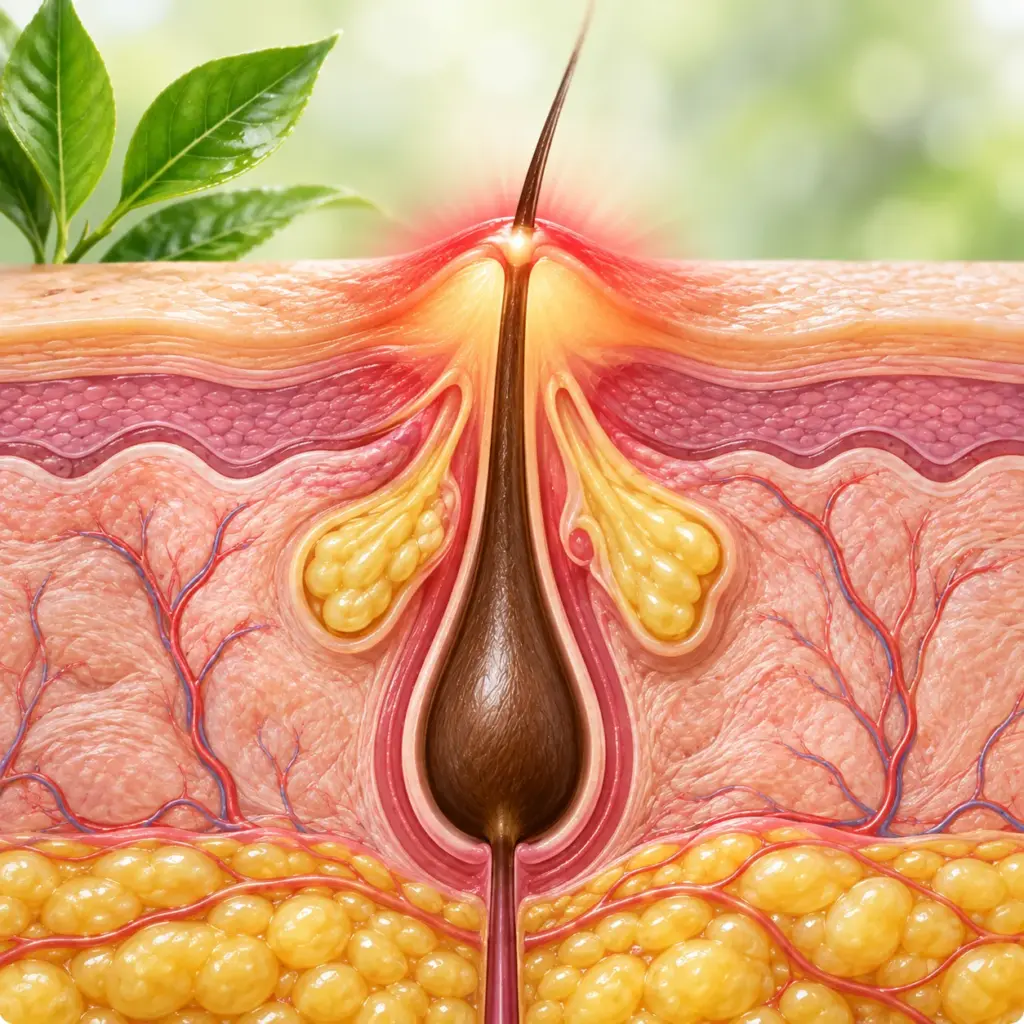
- Excess oil production
- Hair follicles clogged by oil and dead skin cells
- Bacteria
- Excess activity of a type of hormone (androgens)
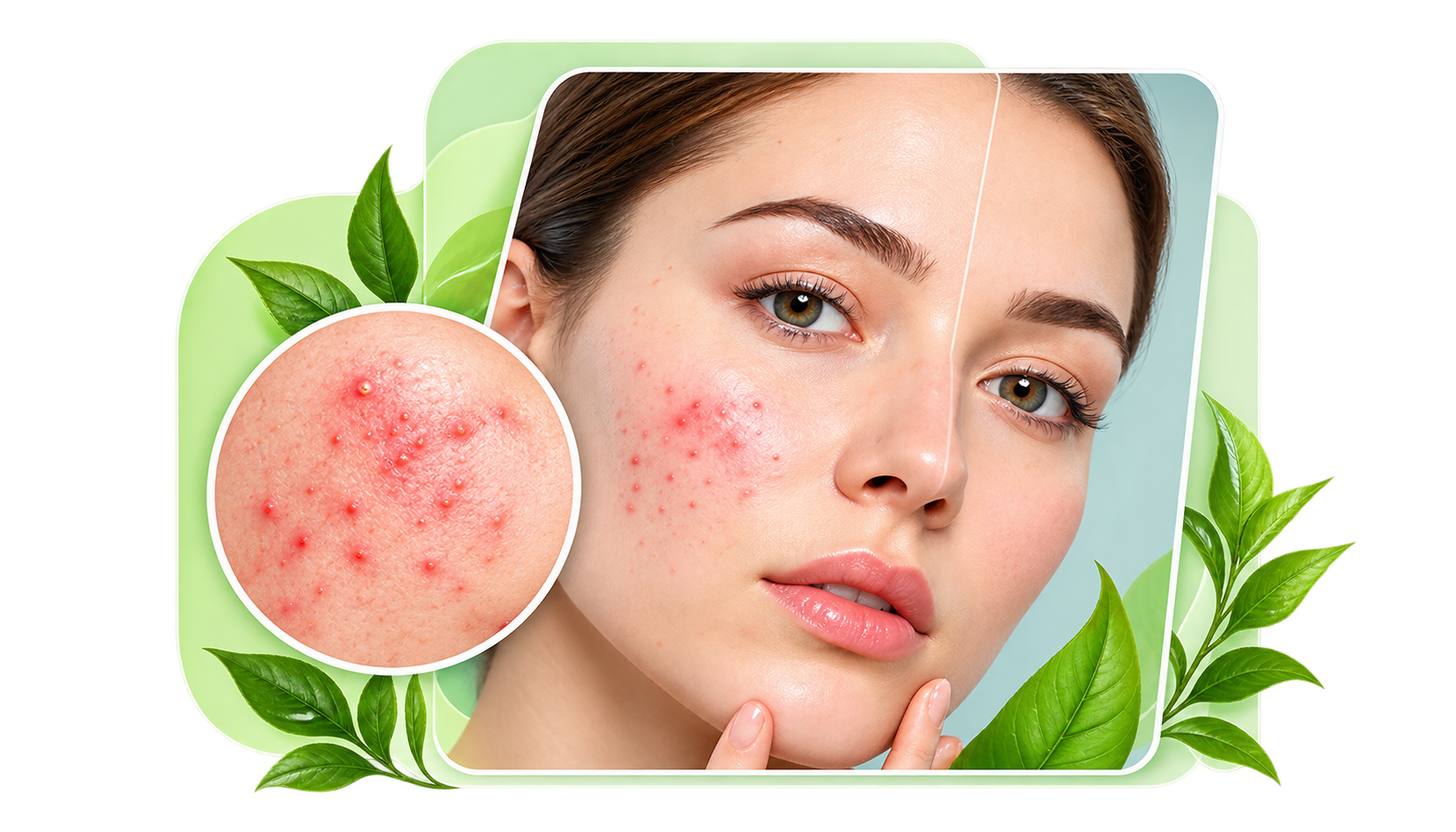
Acne typically appears on your face, forehead, chest, upper back and shoulders because these areas of skin have the most oil (sebaceous) glands. Hair follicles are connected to oil glands.
The follicle wall may bulge and produce a whitehead. Or the plug may be open to the surface and darken, causing a blackhead. A blackhead may look like dirt stuck in pores. But actually the pore is congested with bacteria and oil, which turns brown when it’s exposed to the air.
Pimples are raised red spots with a white center that develop when blocked hair follicles become inflamed or infected with bacteria. Blockages and inflammation that develop deep inside hair follicles produce cystlike lumps beneath the surface of your skin. Other pores in your skin, which are the openings of the sweat glands, aren’t usually involved in acne.
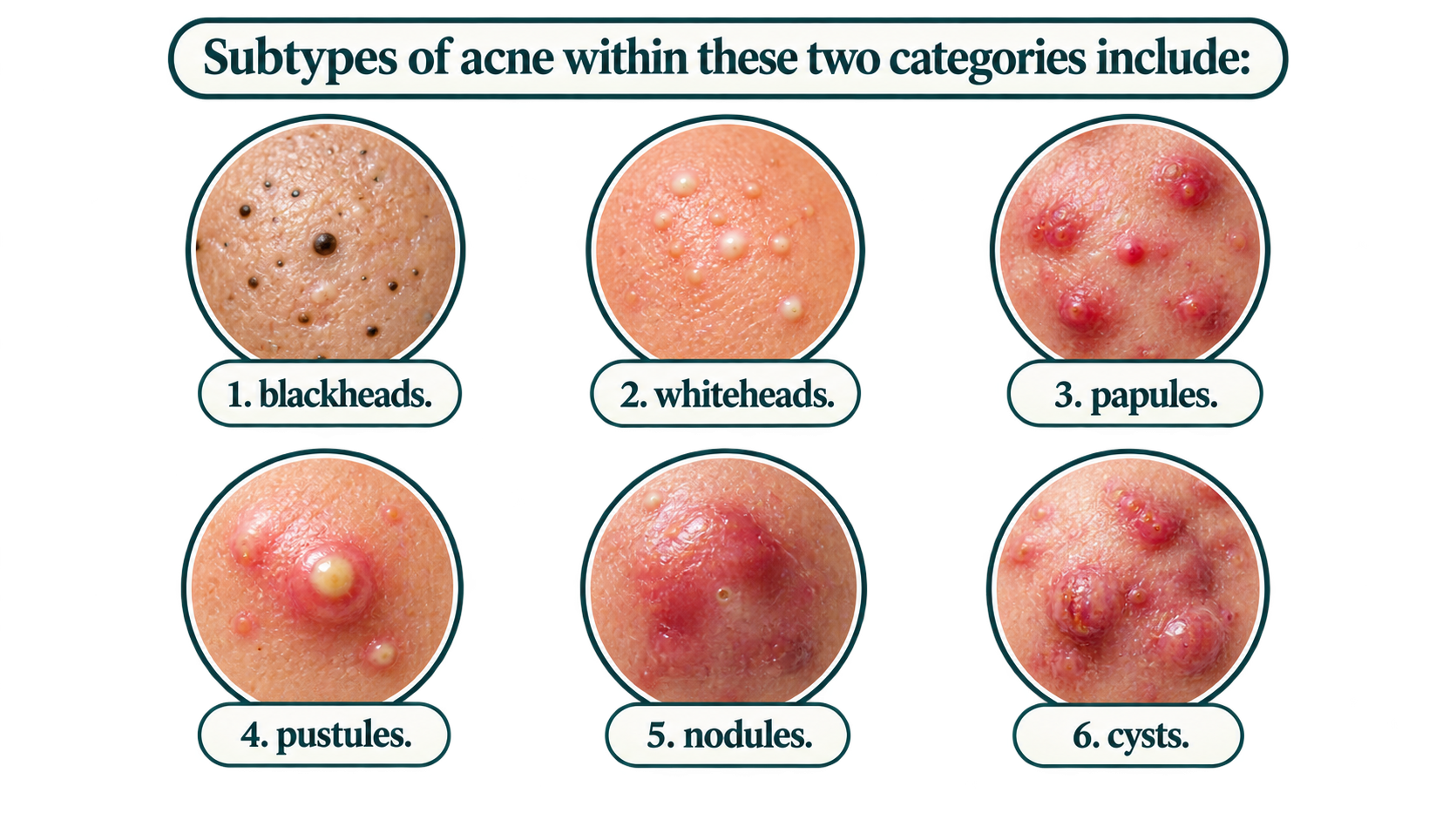
- Whiteheads (closed plugged pores)
- Blackheads (open plugged pores)
- Small red, tender bumps (papules)
- Pimples (pustules), which are papules with pus at their tips
- Large, solid, painful lumps beneath the surface of the skin (nodules)
- Painful, pus-filled lumps beneath the surface of the skin (cystic lesions)
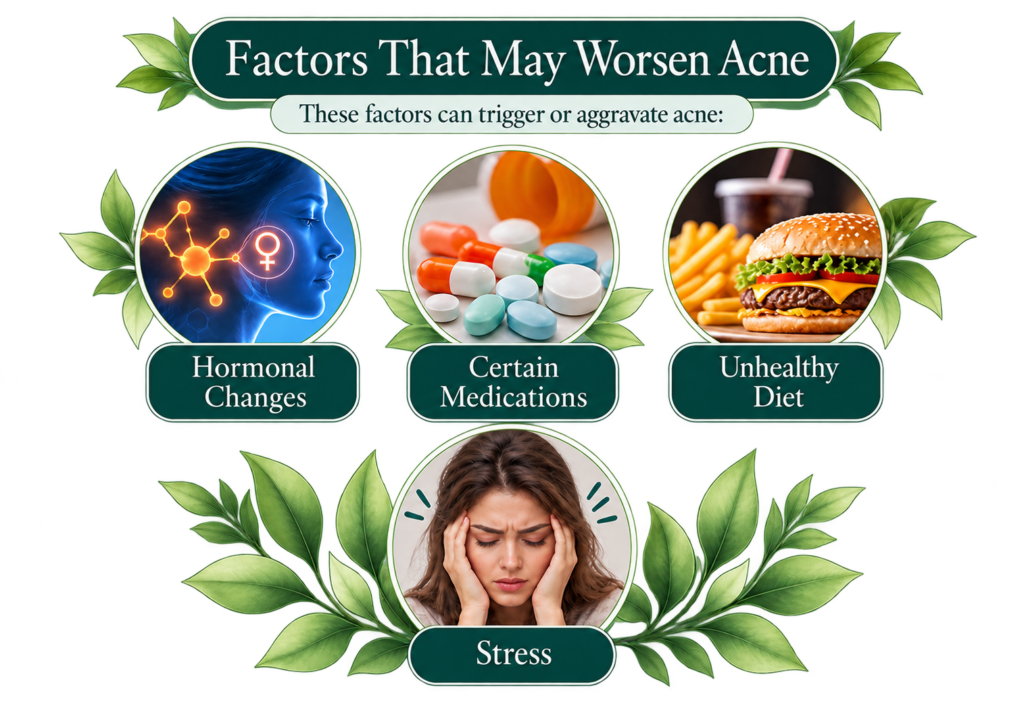
- Hormones: Androgens are hormones that increase in boys and girls during puberty and cause the sebaceous glands to enlarge and make more sebum. Hormonal changes related to pregnancy and the use of oral contraceptives also can affect sebum production. And low amounts of androgens circulate in the blood of women and can worsen acne.
- Certain medications: Examples include drugs containing corticosteroids, testosterone or lithium.
- Diet: Studies indicate that certain dietary factors, including skim milk and carbohydrate-rich foods — such as bread, bagels and chips — may worsen acne. Chocolate has long been suspected of making acne worse. A small study of 14 men with acne showed that eating chocolate was related to a worsening of symptoms. Further study is needed to examine why this happens and whether people with acne would benefit from following specific dietary restrictions.
- Stress: Stress can make acne worse.
Manjistha: Manjistha (rubia cordifolia) is a perennial herb popular in Ayurvedic medicine. It’s thought to support your lymphatic system, which is critical to healthy skin. Research shows that manjistha has anti-inflammatory, antibacterial, and antiandrogenic abilities that may help prevent and treat acne.
Neem: Neem (azadirachta indica) is another popular Ayurvedic herb. According to a 2010 study, neem oil contains compounds that are
- antibacterial
- antifungal
- antiseptic
- antioxidant
- anti-inflammatory
Traditional therapeutic uses of neem include treating skin conditions such as acne, eczema, and psoriasis. According to a 2001 study, neem has antibacterial activity against several micro-organisms. This includes Staphylococcus, a bacterium that’s linked to acne.
Check out: Tea tree oil for acne.
- calendula
- chamomile
- lavender
- rosemary